
Spiti Valley vs Ladakh: Which Should You Choose for Your Next Trip?
By KindQuest Travel
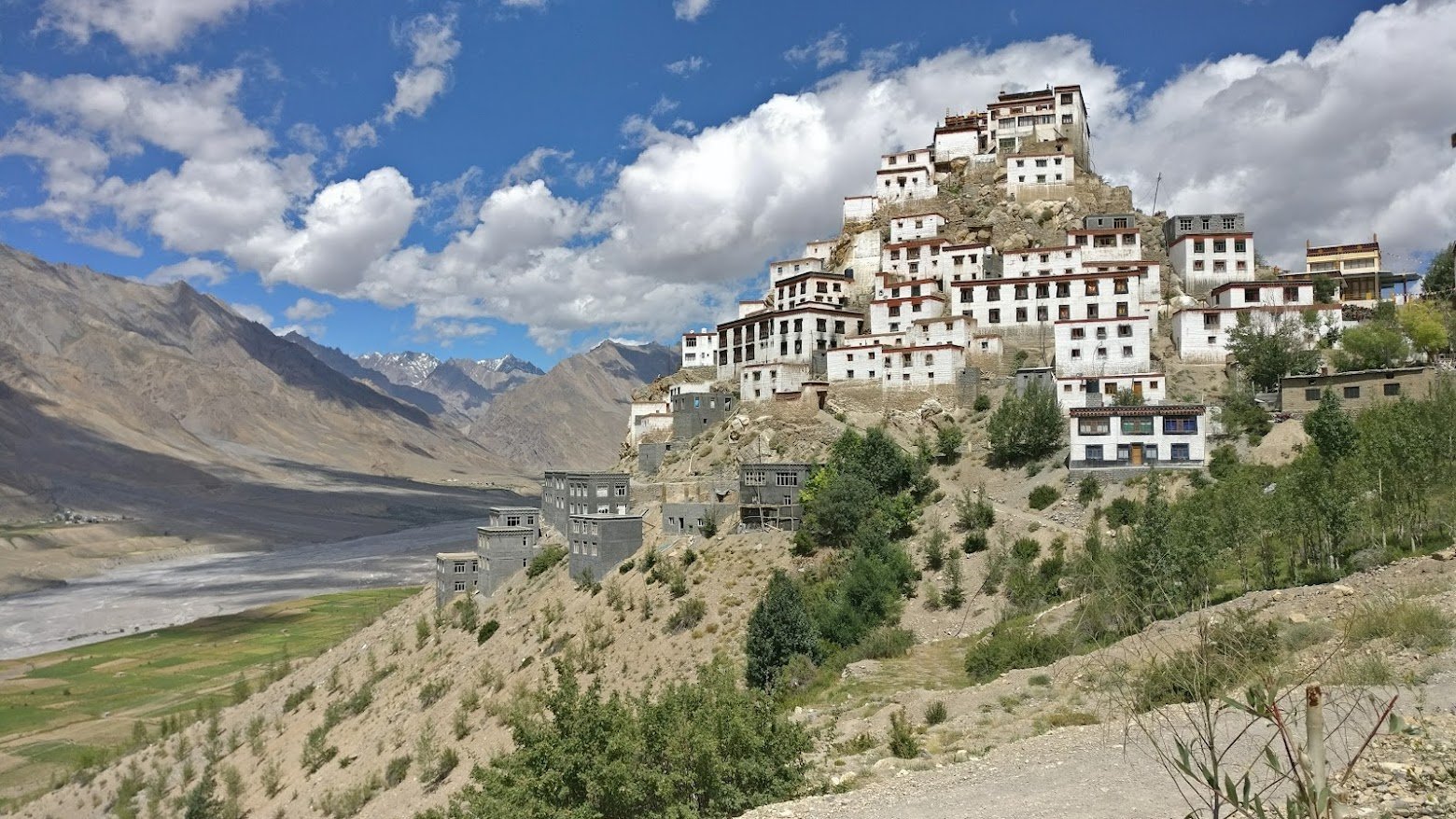
Spiti Valley and Ladakh are the two high-altitude cold-desert regions every Himalaya-bound traveller ends up weighing against each other. Both sit in the rain shadow of the Himalayas, both are dotted with centuries-old Buddhist monasteries, and both deliver the kind of stark, moon-like landscapes you don't find anywhere else in India. But they're not interchangeable — the two trips feel quite different once you're actually on the road. Here's how they compare.
The Landscape
Both regions share the same cold-desert character, but the mood is different. Ladakh is the more visually dramatic of the two, with a wider spread of landscapes — the sand dunes of Nubra Valley, the blue expanse of Pangong Tso, and the Indus and Zanskar valleys. Spiti feels smaller and more intimate, built around places like Pin Valley National Park, the fossil village of Langza, and Chandratal Lake.
Getting There
Ladakh has a real advantage here: direct flights land in Leh, so you can be at 11,500 feet within hours of leaving a plains city. Spiti has no airport of its own — getting in means driving in via Shimla or Manali, on mountain roads that are an experience in themselves and add a day or two to the trip either way.
Crowds
Ladakh sees considerably more tourist traffic, especially through peak season, when Leh's main market and the road to Pangong can feel genuinely busy. Spiti stays quieter throughout — even in season, it rarely feels crowded.
Monasteries and Culture
Both regions are serious Buddhist heartlands. Ladakh's best-known monasteries are Thiksey, Hemis, Diskit and Alchi. Spiti counters with Key Monastery, over a thousand years old and perched dramatically on a hilltop, along with Dhankar and Tabo — Tabo dates back to 996 AD and is one of the oldest continuously functioning Buddhist monasteries in the world.
Adventure Activities
Ladakh has the more organised adventure scene — the Chadar Trek, the Markha Valley Trek, river rafting, and motorbiking are all well-established circuits with plenty of operators. Spiti leans rawer: trekking to Chandratal, the Pin-Parvati Pass, snow leopard tracking in winter, and fossil hunting around Langza.
Budget
Ladakh runs roughly ₹3,000–5,000 per person a day on a mid-range budget. Spiti is noticeably cheaper, at around ₹1,500–3,000 per person a day, helped along by homestays that are both affordable and a good way to experience local Kinnauri and Spitian hospitality.
Best Time to Visit
Spiti is at its best from June to October. Ladakh's main season runs June to September, with the frozen-river Chadar Trek adding a January–February window for a completely different kind of trip.
So, Which Should You Choose?
Pick Spiti if you want solitude, don't mind a longer, rougher drive to get there, are travelling on a tighter budget, or want a more offbeat experience. Pick Ladakh if you'd rather fly in, want a wider range of landscapes in one trip, prefer well-organised adventure activities, or this is your first high-altitude trip and you want things to be a little more straightforward.
If you can't choose, you don't have to — a combined Spiti-to-Ladakh road trip over 15–18 days covers both regions properly and is one of the most rewarding overland routes in the Himalayas.